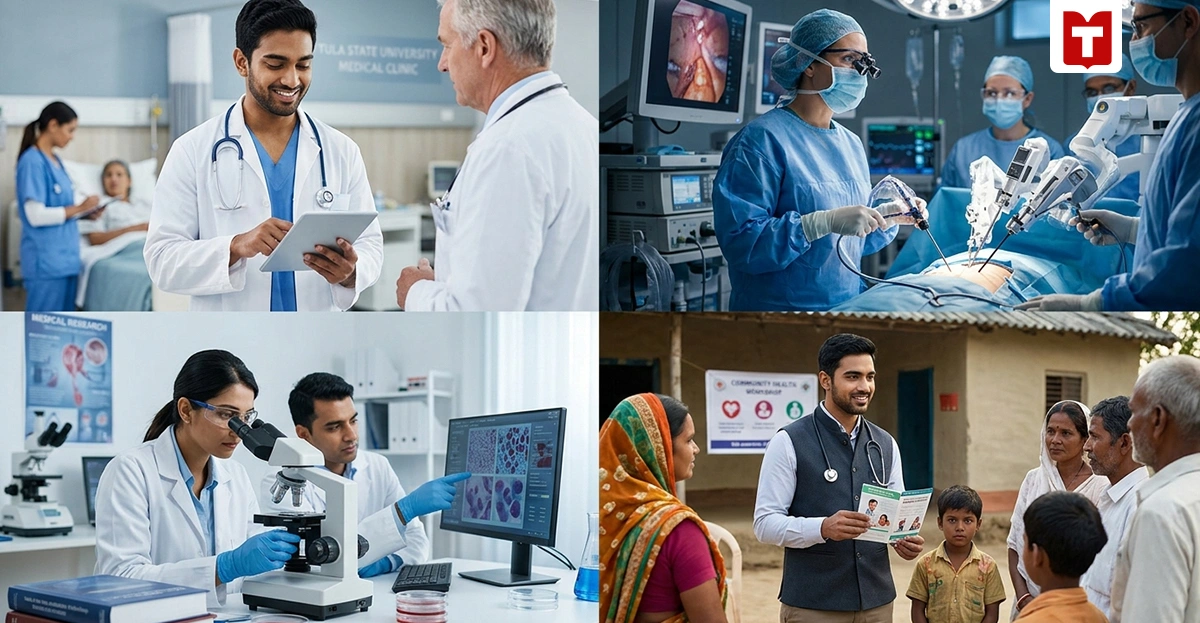



Clinical training is an important part of the MBBS education as it enables students to work within real healthcare settings with the application of theoretical knowledge of medicine. The clinical rotations in Tula State University are designed in such a way that the MBBS students can gain an overall exposure of the hospital with supervised practical training and direct interaction with the patient. Moreover, such rotations are important in equipping students with pre-internship, licensing exams like FMGE/NExT and medical practice in India and around the world.
Further, for Indian students planning to pursue MBBS in Russia, clinical exposure is one of the most essential factors while choosing a university. Tula State University focuses on delivering practical training through affiliated hospitals, experienced faculty guidance, and structured departmental rotations, ensuring students gain real-world medical experience throughout their course.
Clinical rotations at Tula State University start when students complete their pre-clinical and para-clinical subjects. During this stage, MBBS students move from classroom-based learning to hospital-based training. Consequently, students rotate through major clinical departments and observe real patient cases under the supervision of qualified doctors.
These rotations have been structured in a way that they assist students to understand disease presentation, diagnosis techniques, treatment planning and management of patients. Further, the exposure also supports Indian students in building the clinical fundamentals required for internship and licensing exams.
Students are involved in case discussions, ward rounds and supervised clinical activities, which enable them to build confidence in hospital settings gradually.
Clinical rotations at Tula State University are conducted across multiple departments, ensuring students receive well-rounded medical exposure. This comprehensive training helps students understand different specialities and identify their areas of interest.
The following is a list of the important clinical rotations in MBBS and the skills acquired by students:
|
Department |
Clinical Exposure |
Skills Developed |
|
Internal Medicine |
Patient diagnosis and chronic disease management |
Clinical reasoning and case analysis |
|
General Surgery |
Pre- and post-operative care, surgical observation |
Procedural understanding and sterile techniques |
|
Pediatrics |
Child health assessment and treatment |
Pediatric examination and communication |
|
Obstetrics & Gynecology |
Antenatal care and women’s health |
Reproductive health evaluation |
|
Cardiology |
Heart-related diagnostics and monitoring |
ECG interpretation and cardiac assessment |
|
Neurology |
Neurological examinations and disorders |
Reflex testing and neurological evaluation |
|
Orthopedics |
Bone injuries and musculoskeletal disorders |
Physical assessment and imaging review |
|
Emergency Medicine |
Acute case handling and trauma care |
Quick decision-making and triage |
This rotation structure ensures Indian MBBS students gain balanced exposure across major clinical areas.
At Tula State University, clinical rotations are based on practical learning. MBBS students slowly engage in clinical practice, under supervision, to enable them to learn the actual patient care processes.
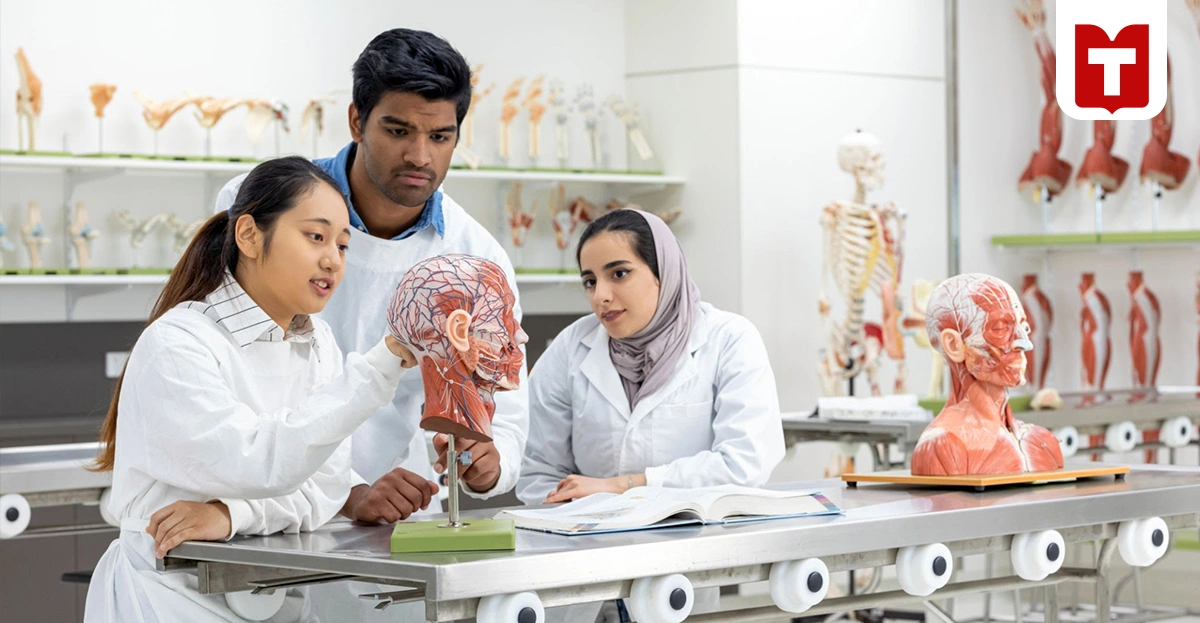
The students get to know how to take patient history, perform physical examinations, learn about laboratory investigations, and engage in clinical discussions. They also help in ward rounds and monitor diagnostic procedures. This practical exposure allows the students to relate theoretical topics, such as pathology, pharmacology, and medicine, to practical cases of patients.
This practical training is especially useful for Indian students preparing for FMGE/NExT, as it reinforces clinical basics.
One of the key advantages of clinical rotations at Tula State University is bedside learning. MBBS students interact with patients under faculty supervision and learn how to collect medical history and understand symptoms.
This interaction with a patient assists students in forming communication, empathy, and professional behaviour. The Indian students are also exposed to a variety of clinical cases that enhance their diagnostic thinking.
Bedside educational activities consist of case presentations, evaluation of symptoms, and treatment discussions. These classes assist the students in gaining clinical confidence prior to a medical internship in Russia.
Tula State University provides clinical training through affiliated multi-speciality hospitals equipped with modern medical infrastructure. These hospitals offer exposure to a wide range of cases, including general medicine, surgery, paediatrics, and emergency care.
Students observe diagnostic technologies such as imaging systems, laboratory diagnostics, and patient monitoring equipment. This exposure helps MBBS students understand modern treatment approaches and hospital workflows.
Learning in real hospital environments prepares Indian students for clinical practice in India and abroad.
Tula State University provides a structured and supportive environment for international students, including those from India. Clinical training is conducted in a way that helps students gradually adapt to hospital settings and clinical responsibilities.
Faculty members guide students through case discussions, diagnostic reasoning, and treatment planning. This mentorship helps students build strong clinical fundamentals required for internship training.
Indian students also benefit from step-by-step learning, which ensures they are comfortable with patient examination and clinical procedures.
Tula State University clinical training helps MBBS students prepare for their future medical careers. The practical exposure gained during hospital training strengthens diagnostic understanding and clinical knowledge.
Students are introduced early to the usual medical conditions, patient management and treatment procedures. This experience helps them prepare for FMGE/NExT and enhances their performance during the internship.
Strong clinical exposure also helps students transition smoothly into hospital-based training after graduation.
Know more about Tula State University
Tula State University is a renowned university with a bias towards practical MBBS training with disciplined clinical exposure. In addition, the university also provides early hospital exposure, multi-department rotations, bedside learning, and supervised training.
Consequently, this leaves the indian students with the advantage of real patient care, state-of-the-art facilities and faculty guidance. Together, this in-depth clinical training assists students in building confidence and prepare themselves for their medical careers in India and internationally.
After knowing all about Clinical rotation at Tula State University, we came to the conclusion that Clinical rotations are an essential part of MBBS education, especially who want to study MBBS in Russia for indian students. Moreover, at Tula State University, students move beyond classroom learning and gain practical hospital experience through structured departmental rotations and bedside training.
MBBS students are equipped with good medical fundamentals with hands-on exposure, interaction with patients, and clinical learning. Such clinical rotations make sure that students graduate with skills, confidence and experience which they need to pass internships, licensing exams and have successful medical careers.